Aluminium Paste vs Aluminium Powder in Automotive Coatings: Performance vs Cost
2025 / 12 / 20Choosing the Right Aluminium Pigment for Automotive Coatings
In automotive coatings, metallic pigments are crucial for enhancing visual appeal and durability. Two common options are aluminum paste and aluminum powder.
While both produce a metallic effect, they differ significantly in performance, workability, formulation characteristics, and cost.
This article will analyze these differences in detail to help formulators and industry professionals make informed choices.
Core Comparison: Aluminium Paste vs Aluminium Powder
What Are They?
-
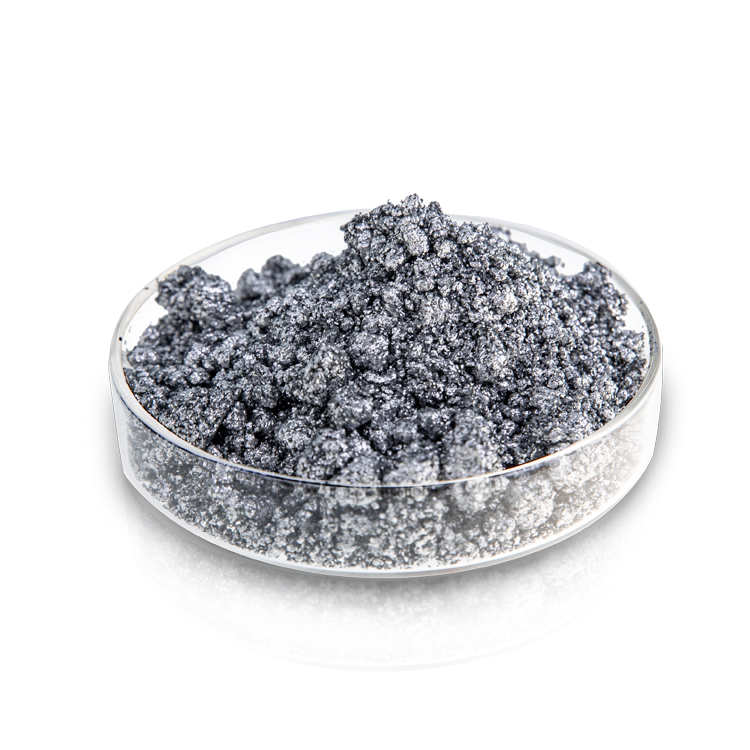
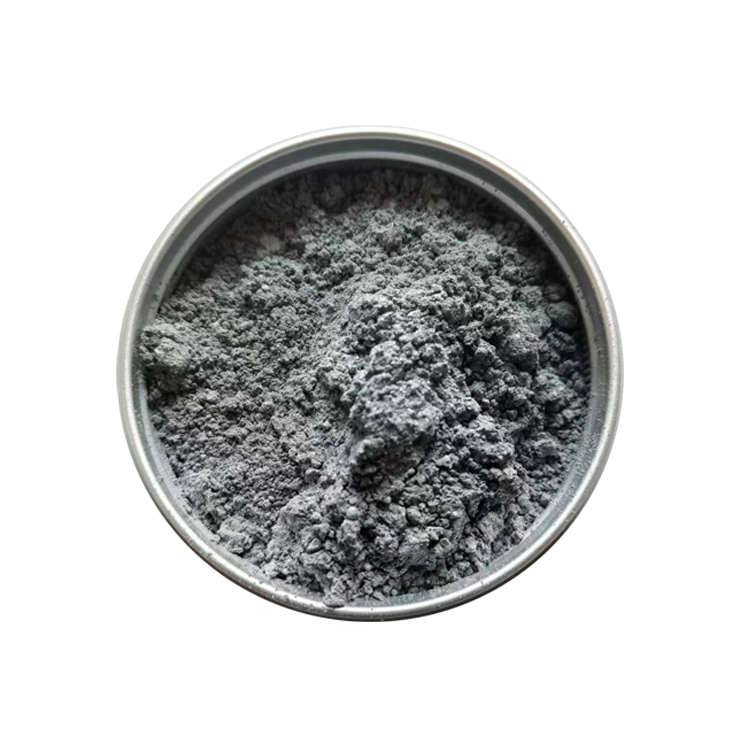
Aluminium paste is a suspension of metallic aluminium flakes dispersed in a carrier (solvent or water) ready for incorporation into coatings.
-
Aluminium powder is dry metallic aluminium particles (often flake-shaped) used as a raw pigment before dispersion and formulation.
Both are used to create metallic effects in automotive coatings, but they behave differently in practice.
Performance Differences in Automotive Coatings
Dispersion and Film Formation
Aluminium Paste:
-
Pre-dispersed aluminium flakes aid smooth, uniform distribution in the resin system.
-
Controlled particle size and surface treatment improve flake orientation, resulting in consistent metallic sparkle and gloss.
-
Surface treatments (resin or silica coatings) enhance weather resistance and coating stability.
Aluminium Powder:
-
Requires dispersion during formulation, which can be more challenging and may lead to agglomerates if not processed properly.
-
Offers a strong metallic shine but depends heavily on formulation skill to achieve consistent effect.
Performance Takeaway: Aluminium paste typically yields more predictable metallic effects and better integration with modern coating chemistries, especially basecoat/clearcoat systems. Aluminium powder can still deliver brightness but demands more control during mixing and dispersion.
Weather Resistance and Durability
Aluminium Paste:
-
Surface-treated pastes (e.g., silica or resin coated) are designed for greater oxidation and corrosion resistance.
-
Better compatibility with clearcoat systems helps maintain visual integrity and durability under UV and environmental stress.
Aluminium Powder:
-
Can be effective, especially when coated or passivated, but may be less robust in demanding environments if poorly treated.
-
Requires additional formulation steps to match the durability of surface-treated pastes.
Durability Takeaway: Aluminium paste with tailored surface treatment often outperforms standard aluminium powder in long-term weathering and corrosion resistance.
Handling, Safety, and Formulation Differences
Ease of Use
-
Aluminium paste is ready to incorporate into coatings with minimal pre-processing, reducing formulation complexity and improving batch consistency.
-
Aluminium powder requires careful dispersion and may pose greater handling risks such as dust inhalation or uneven distribution during high-speed mixing.
Safety
-
Aluminium powder can generate dust that poses fire and inhalation hazards if not properly controlled.
-
Aluminium paste’s liquid form significantly reduces dust risk, making it easier and safer to handle in production environments.
Cost Considerations: Paste vs Powder
Material Cost
-
Aluminium powder is often less expensive by raw weight, as it is a simpler, unprocessed material.
-
Aluminium paste typically costs more due to flaking, surface treatment, and dispersion processing.
Formulation Efficiency
-
Aluminium paste can reduce processing time and waste due to better dispersion and fewer formulation variables.
-
Aluminium powder may incur higher indirect costs (e.g., dispersion time, additive requirements, quality variations).
Total Cost Impact
|
|---|
Cost Takeaway: While aluminium paste has a higher upfront cost, its predictable performance and reduced processing overhead can deliver better value in high-end automotive systems.
When to Choose Which
-
Aluminium Paste: Preferred for OEM basecoats, high-gloss metallic finishes, and systems requiring strong weather resistance.
-
Aluminium Powder: Useful in more cost-sensitive coatings where formulators have control over dispersion and are willing to invest time in optimisation.
Frequently Asked Questions
Q1: Can aluminium powder replace aluminium paste entirely?
Not always. Powder may deliver metallic shine, but paste provides better dispersion and durability in modern coatings.
Q2: Does aluminium paste perform better in waterborne systems?
Yes—when surface treated properly, aluminium paste offers stability in waterborne automotive coatings.
Q3: Is surface treatment necessary?
Surface-treated aluminium pigments (either paste or powder) significantly enhance performance in demanding environments.
Conclusion: Balancing Performance and Cost
In the automotive coatings industry, aluminium paste and aluminium powder each have their place.
-
Aluminium paste excels in predictable metallic effect, durability, and ease of use, making it a top choice for high-end OEM coatings.
-
Aluminium powder remains attractive for cost-constrained applications but requires greater formulation expertise.
Choosing between them involves weighing performance needs, process capabilities, and total cost impact—ensuring that coatings deliver both visual excellence and long-term protection.