Waterborne Aluminium Paste and Sustainable Coating Trends
2026 / 01 / 04
Sustainability Reshapes Metallic Coating Systems
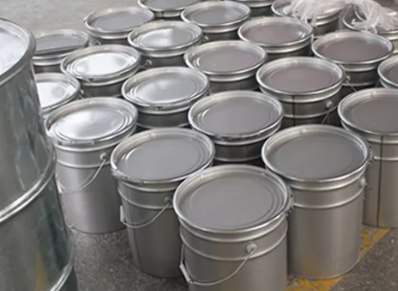
Environmental regulations and sustainable development goals are reshaping the global coatings industry.
Reducing volatile organic compound (VOC) emissions, improving processing safety, and minimizing environmental impact have become core priorities in formulation development.
In this transformation, waterborne aluminum paste is gaining increasing attention as a key material for achieving metallic effects and supporting sustainable coating strategies.
Why Waterborne Systems Matter in Modern Coatings
Regulatory and Market Drivers
Across automotive, industrial, and architectural sectors, waterborne coatings are expanding due to:
-
Stricter VOC emission regulations
-
Improved workplace safety requirements
-
Demand for environmentally responsible materials
Metallic coatings, once dominated by solvent-based systems, are now adapting to these expectations through advances in aluminium pigment technology.
Challenges of Metallic Pigments in Waterborne Systems
Historically, aluminium pigments faced limitations in aqueous environments, including:
-
Oxidation risk
-
Gas generation
-
Dispersion instability
Recent technical developments have significantly mitigated these challenges, enabling broader adoption of aluminium pigments in water-based formulations.
Advances in Waterborne Aluminium Paste Technology
Surface Treatment and Oxidation Control
Modern waterborne aluminium paste utilizes advanced surface treatments that:
-
Protect aluminium flakes from premature oxidation
-
Improve compatibility with aqueous binders
-
Maintain metallic brightness over time
These treatments allow aluminium pigments to remain stable throughout storage, application, and curing.
Improved Dispersion and Processing Safety
Compared with traditional solvent-based products, waterborne aluminium paste offers:
-
Easier dispersion in water-based systems
-
Reduced odor and lower flammability risk
-
Improved handling safety in production environments
These benefits align closely with sustainability and safety objectives in coating manufacturing.
Visual Performance in Waterborne Metallic Coatings
Brightness and Uniformity
Despite the shift to waterborne systems, visual expectations remain high.
Advanced aluminium pigments enable:
-
High metallic brightness
-
Uniform flake orientation
-
Consistent appearance across large surfaces
This performance parity has helped waterborne metallic coatings gain acceptance in appearance-sensitive applications.
Compatibility Across Coating Segments
Waterborne aluminium paste is now used in:
-
Automotive basecoats and refinishing systems
-
Industrial and protective coatings
-
Decorative and architectural finishes
Its versatility supports sustainable solutions without compromising aesthetic quality.
Sustainability Benefits Beyond VOC Reduction
Lifecycle and Resource Efficiency
Beyond emission control, aluminium pigments contribute to sustainability by:
-
Enhancing coating durability
-
Extending maintenance cycles
-
Reducing material consumption over time
Longer service life directly translates into lower environmental impact across the coating lifecycle.
Alignment with Future Coating Standards
As sustainability standards continue to evolve, waterborne metallic systems are expected to play a larger role in:
-
Green building certifications
-
Low-emission industrial specifications
-
Automotive sustainability initiatives
Waterborne aluminium paste supports this transition by balancing performance, safety, and environmental responsibility.
Conclusion: Waterborne Aluminium Paste Supports Sustainable Metallic Coatings
Waterborne aluminium paste represents a key intersection between metallic appearance and sustainable coating design.
Through advances in surface treatment, dispersion stability, and safety performance, aluminium pigments have successfully adapted to water-based systems.
As regulatory pressure and environmental awareness increase, waterborne metallic coatings are positioned to become a long-term industry standard.