Aluminum Paste for Industrial Paint: Cost Efficiency, Performance Optimization, and Bulk S
2026 / 04 / 07Why Aluminum Paste Is a Strategic Material in Industrial Paint
In heavy industry, coatings are not decorative materials—they are protective systems. Steel structures, storage tanks, bridges, machinery, and pipelines require long-term durability under harsh environmental conditions. In these systems, aluminum paste functions as both a metallic pigment and a protective barrier component.
According to global coatings industry data, the industrial coatings sector accounts for over 40% of total coatings demand worldwide, with corrosion protection representing a major application segment. Within these formulations, aluminum paste remains one of the most widely used metallic pigments due to its balance of performance and cost efficiency.
This article analyzes how aluminum paste improves industrial paint systems, how to optimize cost-performance ratios, and how to secure stable bulk supply.
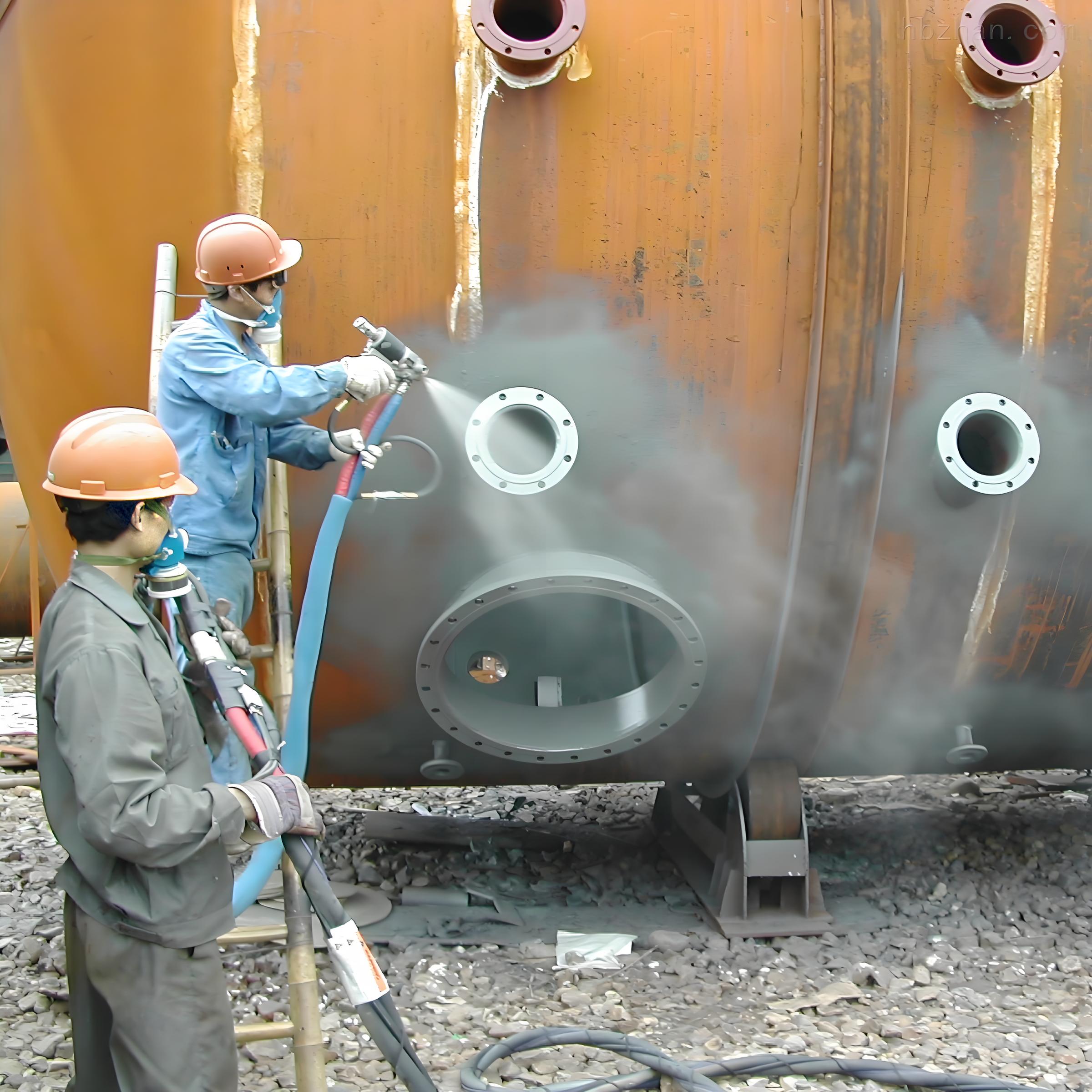
1. Functional Role of Aluminum Paste in Industrial Paint
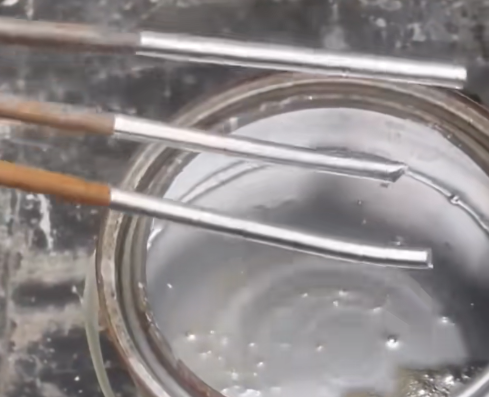
Aluminum paste provides three primary functional advantages in industrial coatings:
Barrier Protection
Aluminum flakes align parallel to the coating surface, forming a layered metallic structure that reduces:
- Oxygen penetration
- Moisture diffusion
- Chemical exposure
This significantly slows corrosion progression.
Heat Reflection
Aluminum pigment reflects infrared radiation. In outdoor or high-temperature environments, coatings containing aluminum paste can reduce surface temperature and minimize thermal stress.
Applications benefiting from heat reflection include:
- Storage tanks
- Industrial roofs
- Steel frameworks
- Power generation equipment
Extended Coating Lifespan
Due to its lamellar structure, aluminum paste strengthens the overall film system. When combined with epoxy or polyurethane binders, it improves long-term coating durability.
2. Leafing vs Non-Leafing Aluminum Paste in Industrial Paint
In industrial protective coatings, non-leafing aluminum paste is typically preferred.
| Feature | Leafing Aluminum Paste | Non-Leafing Aluminum Paste |
|---|---|---|
| Flake Orientation | Surface floating | Uniform distribution |
| Corrosion Protection | Moderate | Strong |
| Intercoat Adhesion | Lower | Higher |
| Industrial Suitability | Limited | Ideal |
Non-leafing aluminum paste integrates throughout the coating film, improving structural reinforcement and long-term stability.
3. Cost Efficiency Analysis of Aluminum Paste
While aluminum paste may appear more expensive per kilogram than some pigments, its functional benefits often reduce total formulation cost.
Effective Cost Formula
Effective Aluminum Cost = Unit Price ÷ Solid Content
High solid content aluminum paste (65–75%) delivers:
- Better coverage
- Lower dosage requirements
- Reduced repaint frequency
When calculating lifecycle coating cost, aluminum paste often improves overall economic efficiency.
4. Key Technical Parameters for Industrial Applications
Professional buyers evaluate aluminum paste using measurable criteria:
Solid Content
Higher solid content increases metallic coverage and reduces waste.
Particle Size Distribution
Fine grades: smooth metallic finish
Medium grades: balanced brightness and protection
Coarse grades: enhanced sparkle, limited protective focus
Flake Thickness
Thin flakes improve barrier layering and corrosion resistance.
Compatibility
Confirm compatibility with:
- Epoxy systems
- Polyurethane systems
- Alkyd coatings
- Chlorinated rubber coatings
5. Bulk Supply and Production Stability
Large-scale industrial projects require consistent and reliable aluminum paste supply.
A qualified aluminum paste supplier should offer:
- Large production capacity
- Multi-line manufacturing
- Strict batch control
- Export-ready packaging
- Competitive wholesale pricing
Industrial buyers must evaluate supply chain reliability to prevent project delays and cost overruns.
Stable aluminum paste supply ensures uninterrupted paint production.
6. Application Case Example
Project Type: Coastal steel warehouse
Challenge: Rapid corrosion within 18 months
Previous System: Standard pigment-based epoxy coating
Solution:
Reformulated coating using high-solid non-leafing aluminum paste.
Results:
- Improved salt spray resistance
- Enhanced metallic uniformity
- Reduced maintenance cycle frequency
This case illustrates how aluminum paste selection directly affects long-term performance outcomes.
7. Common Mistakes in Industrial Aluminum Paste Use
- Over-shearing during mixing, damaging flake structure
- Ignoring compatibility testing
- Choosing leafing type for heavy-duty protection
- Selecting low-cost aluminum paste without solid content comparison
Proper technical evaluation ensures optimal results.
8. Market Outlook and Industry Trends
Global infrastructure development, renewable energy expansion, and industrial modernization continue driving aluminum paste demand.
Growth drivers include:
- Bridge and transportation projects
- Marine infrastructure
- Energy storage facilities
- Oil and gas equipment
Industrial aluminum paste remains a core metallic pigment supporting these sectors.
Step-by-Step Procurement Guide
Step 1: Define environmental exposure conditions.
Step 2: Select non-leafing aluminum paste for protective applications.
Step 3: Compare solid content and particle size distribution.
Step 4: Request technical documentation and compliance certificates.
Step 5: Evaluate supplier bulk capacity and delivery timelines.
Conclusion: Aluminum Paste Is a Performance Investment
Aluminum paste is more than a decorative metallic pigment. In industrial paint systems, it functions as:
- A corrosion barrier
- A heat-reflective layer
- A durability enhancer
- A cost-efficiency contributor
When sourced from a reliable aluminum paste supplier with stable production capacity, industrial buyers benefit from:
- Consistent product quality
- Competitive wholesale pricing
- Reliable bulk delivery
- Long-term coating performance
Selecting the right aluminum paste strengthens both technical performance and business competitiveness.