How Aluminium Paste Creates Metallic Effects in Plastics
2026 / 06 / 05As consumer expectations for product appearance continue to rise, manufacturers are increasingly using metallic-effect plastics to create high-end visual appeal while maintaining the advantages of lightweight and cost-effective materials.
From automotive interior parts and household appliances to cosmetic packaging and consumer electronics, metallic plastic products have become an important trend across multiple industries. Among the various metallic pigments available, aluminium paste remains one of the most widely used solutions for achieving bright silver and metallic effects in plastic applications.
Its excellent metallic appearance, strong brightness and processing compatibility make aluminium paste an ideal choice for metallic masterbatch and plastic coloring systems.
Why Metallic Effect Plastics Are Growing in Popularity
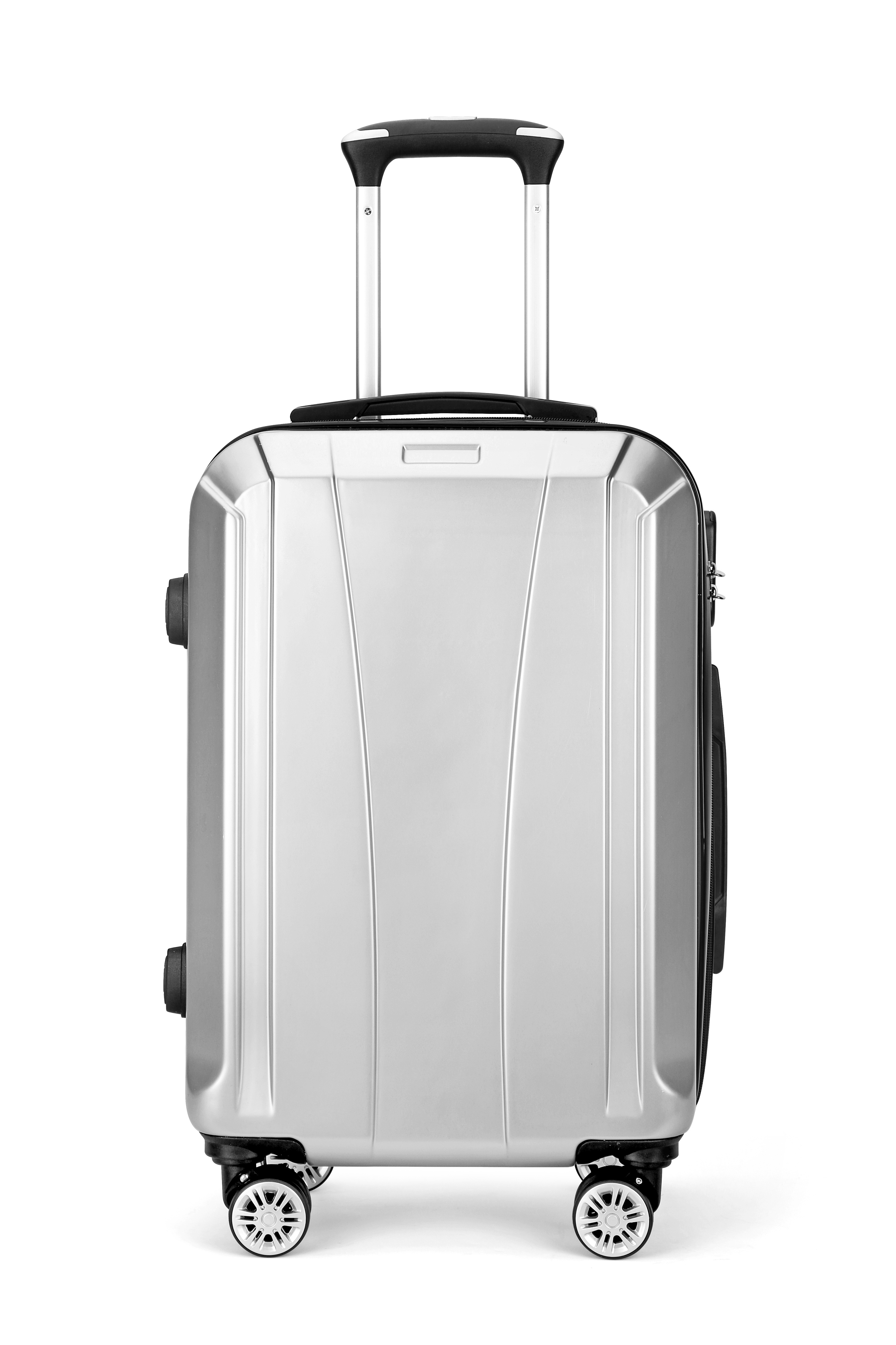
Plastic materials offer many advantages, including:
- Lightweight construction
- Design flexibility
- Corrosion resistance
- Lower production costs
However, standard plastic surfaces often lack the premium appearance of metal components.
By incorporating metallic pigments into plastic formulations, manufacturers can achieve:
- Metal-like appearance
- High-end product aesthetics
- Enhanced visual value
- Improved product differentiation
As a result, metallic-effect plastics are increasingly replacing traditional metal components in many applications.
What Is Aluminium Paste for Plastic Applications?
Aluminium paste used in plastics consists of specially processed aluminum flakes designed to provide metallic effects in thermoplastic and thermoset systems.
The aluminum flakes reflect light and create:
- Metallic silver appearance
- Sparkling effects
- Visual depth
- Surface brilliance
When properly dispersed within plastic compounds or masterbatches, aluminum pigments help create attractive metallic finishes without significantly affecting processing performance.
Advantages of Aluminium Paste in Plastic Masterbatch
Excellent Metallic Appearance
Aluminium paste provides bright metallic effects that closely resemble polished metal surfaces.
This makes it suitable for products requiring premium visual appeal.
Lightweight Alternative to Metal Parts
Manufacturers can achieve a metallic appearance while retaining the lightweight advantages of plastic materials.
This is particularly important in automotive and consumer electronics applications.
Cost-Effective Decoration Solution
Compared with vacuum metallization or electroplating processes, metallic masterbatch formulations often provide a more economical solution for producing metallic-looking plastic products.
Good Processing Compatibility
Specially designed aluminum pigments can be used in various plastic manufacturing processes, including:
- Injection molding
- Extrusion
- Blow molding
- Compounding
Consistent Appearance
High-quality aluminium paste ensures uniform metallic effects across large production batches.
Common Applications of Metallic Plastic Pigments
Automotive Interior Components
Modern vehicles increasingly use metallic-effect plastics for:
- Dashboard trims
- Door panels
- Center console components
- Decorative interior parts
These components provide a premium appearance while reducing weight.
Household Appliances
Metallic plastic finishes are commonly used in:
- Air conditioners
- Refrigerators
- Washing machines
- Kitchen appliances
The metallic appearance enhances product value and consumer appeal.
Cosmetic Packaging
Luxury cosmetic packaging frequently utilizes metallic pigments to create sophisticated and attractive product designs.
Consumer Electronics
Smartphones, speakers, remote controls and electronic accessories often incorporate metallic-effect plastics to achieve a modern and premium look.
Industrial Plastic Components
Many industrial products use metallic masterbatch systems to improve appearance while maintaining production efficiency.
Importance of Particle Size Selection
Particle size significantly influences the final appearance of metallic plastics.
Fine Particle Aluminium Paste
Provides:
- Smooth metallic finish
- High gloss appearance
- Uniform silver effect
Ideal for premium consumer products.
Medium Particle Aluminium Paste
Offers:
- Balanced brightness
- Moderate sparkle
- Good processability
Suitable for general-purpose plastic applications.
Coarse Particle Aluminium Paste
Creates:
- Strong metallic texture
- Visible sparkle effect
- Decorative appearance
Often used for specialty designs and custom products.
Challenges in Plastic Applications
To achieve optimal performance, manufacturers should consider:
- Dispersion quality
- Processing temperature
- Resin compatibility
- Pigment orientation
- Surface appearance requirements
Proper masterbatch formulation helps maximize metallic effects while maintaining processing stability.
Future Trends in Metallic Plastic Products
The market for metallic-effect plastics continues expanding due to demand for:
- Lightweight products
- Premium aesthetics
- Cost-effective manufacturing
- Sustainable material solutions
As design expectations evolve, advanced aluminum pigments will continue playing a key role in helping manufacturers create innovative plastic products with attractive metallic finishes.
Why Choose ZQ Metallic Aluminium Paste for Plastics?
ZQ Metallic offers high-quality aluminum pigments specifically developed for plastic and masterbatch applications.
Our products provide:
- Excellent metallic brightness
- Stable particle size distribution
- Good dispersion performance
- Consistent silver appearance
- Reliable processing stability
- Professional technical support
With decades of experience in metallic pigment manufacturing, ZQ Metallic supplies aluminum pigment solutions to customers worldwide.
Conclusion
Aluminium paste remains one of the most effective metallic pigments for plastic applications. Its ability to create premium metallic appearance, improve product aesthetics and support efficient manufacturing makes it an important material in modern plastic processing.
From automotive components and consumer electronics to cosmetic packaging and household appliances, metallic-effect plastics continue driving demand for high-quality aluminum pigment technologies.
FAQ
What is aluminium paste used for in plastics?
Aluminium paste is used to create metallic appearance and silver effects in plastic products and masterbatch formulations.
Can aluminium paste be used in injection molding?
Yes. Specially formulated aluminum pigments are widely used in injection molding applications.
Does particle size affect metallic appearance?
Yes. Different particle sizes influence brightness, sparkle and overall metallic texture.
Which industries use metallic-effect plastics?
Automotive, electronics, household appliances, cosmetics and industrial manufacturing industries commonly use metallic plastic pigments.
Why is aluminium paste popular in plastic masterbatch?
Because it provides excellent metallic effects, good processing compatibility and cost-effective decorative performance.