Metallic Effects in Powder Coatings: Is Aluminium Paste the Right Choice?
2026 / 11 / 21Metallic finishes are widely used in industrial products, metal furniture, automotive components, household appliances, and architectural profiles. In powder coating applications, metallic pigments help manufacturers create attractive silver, aluminum-like, and other decorative surface effects.
Aluminium pigments are among the important materials used to achieve metallic appearances. However, not every aluminium pigment is suitable for every coating process.
One common question from coating manufacturers is whether aluminium paste can be used in powder coatings. The answer depends on the pigment form, formulation, and manufacturing process.
Understanding the differences between aluminium paste and aluminium powder is essential when selecting the right metallic pigment.
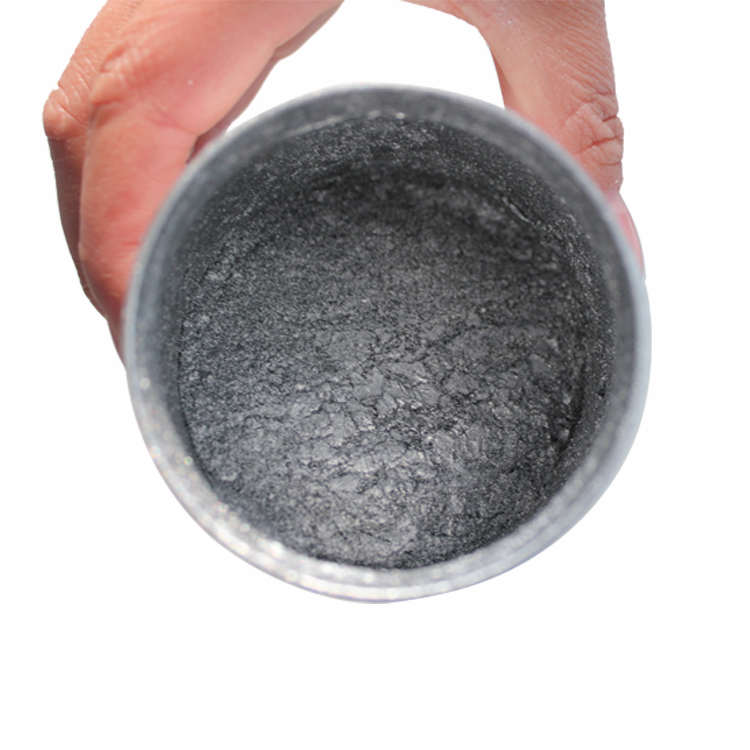
1. Why Metallic Pigments Are Used in Powder Coatings
Powder coatings are applied as dry powder and typically cured through heat to form a continuous coating film.
Metallic pigments are added to create visual effects that ordinary solid-color powder coatings cannot easily achieve.
Common applications include:
-
Metal Furniture: Silver and metallic finishes for furniture frames and components.
-
Household Appliances: Decorative metallic surfaces for appliance housings and parts.
-
Architectural Profiles: Metallic appearances for aluminum profiles and building components.
-
Automotive Components: Decorative finishes for selected automotive parts.
-
Industrial Equipment: Metallic coatings for machinery housings and metal structures.
The final appearance depends on pigment characteristics, powder formulation, processing conditions, application methods, and curing conditions.
2. Aluminium Powder and Aluminium Paste: Understanding the Difference
Aluminium powder and aluminium paste are two different forms of metallic pigment. They have different physical forms and are intended for different processing systems.
| Comparison | Aluminium Powder | Aluminium Paste |
|---|---|---|
| Physical Form | Dry metallic powder | Aluminium flakes dispersed in a liquid carrier |
| Main Processing Consideration | Powder blending or bonding processes | Liquid formulation and dispersion |
| Typical Application Areas | Powder coatings and other dry processing systems, depending on grade | Solvent-based and other compatible liquid coating systems |
| Storage Consideration | Moisture protection and dust control | Sealed packaging and carrier compatibility |
| Selection Factors | Particle size, surface treatment, and processing suitability | Particle size, leafing properties, and formulation compatibility |
For conventional powder coating production, suitable aluminium powder grades or specially designed metallic pigments are generally considered.
Ordinary liquid aluminium paste should not be assumed to be directly interchangeable with dry aluminium powder.
3. How Aluminium Pigments Create Metallic Effects
The metallic appearance of a coating is closely related to the reflection and orientation of aluminium flakes.
When aluminium flakes are properly distributed and oriented in the coating film, they reflect incident light and create a metallic visual effect.
Several factors influence the final result:
Particle Size
Different particle sizes can produce different metallic appearances. Fine particles generally create a smoother visual effect, while larger particles may produce more noticeable sparkle.
Flake Shape and Distribution
Flake characteristics and their distribution within the coating influence light reflection and surface uniformity.
Pigment Concentration
The amount of metallic pigment affects the appearance of the finished coating. The appropriate addition level depends on the pigment grade and formulation.
Processing Conditions
Mixing, bonding, extrusion, application, and curing conditions can all influence metallic pigment performance.
These factors should be evaluated together rather than considering particle size or pigment concentration alone.
4. Important Considerations When Selecting Powder Coating Pigments
Selecting a suitable metallic pigment requires more than choosing a desired silver appearance.
Powder coating manufacturers should consider the following factors:
1. Processing Compatibility
Confirm whether the pigment is designed for dry blending, bonding, or another specific powder coating process.
2. Heat Resistance
Powder coatings are generally cured at elevated temperatures. The metallic pigment must be suitable for the intended curing conditions.
3. Metallic Appearance
Evaluate brightness, sparkle, color consistency, and surface uniformity using actual coating panels.
4. Particle Size
Select a particle size that matches the desired metallic effect and the requirements of the production process.
5. Storage and Handling
Metallic pigments should be stored and handled according to the manufacturer's technical and safety recommendations.
5. Aluminium Paste Is Better Suited to Compatible Liquid Coating Systems
Although aluminium paste is not generally a direct substitute for dry metallic pigments in conventional powder coating production, it has an important role in liquid coating applications.
Depending on the product grade and formulation compatibility, aluminium paste can be considered for:
-
Industrial metallic coatings
-
Metal surface coatings
-
Hardware baking paints
-
Automotive coating systems
-
Decorative metallic finishes
For liquid coatings, buyers should evaluate particle size, leafing or non-leafing properties, resin compatibility, solvent compatibility, and dispersion requirements.
Choosing the correct product form is essential for achieving the expected metallic effect and maintaining stable production.
6. What Should Buyers Confirm Before Purchasing Metallic Pigments?
Before placing an order, coating manufacturers should provide their suppliers with clear technical and application requirements.
The following information can help identify suitable products:
| Information | Why It Matters |
|---|---|
| Coating Type | Determines whether a powder or liquid pigment system is required |
| Application | Helps define the required coating performance |
| Desired Metallic Effect | Determines the appearance and particle size requirements |
| Processing Method | Confirms compatibility with the production process |
| Curing Conditions | Helps evaluate pigment heat resistance |
| Order Quantity | Supports quotation and packaging arrangements |
For powder coating applications, buyers should specifically request confirmation that the selected aluminium pigment grade is suitable for their intended powder processing method.
7. Choosing the Right Aluminium Pigment Manufacturer
A suitable metallic pigment supplier should understand the differences between powder coating pigments and liquid coating pigments.
Before purchasing, buyers should confirm:
-
Available aluminium pigment forms and grades
-
Particle size and technical specifications
-
Surface treatment and application suitability
-
Recommended processing and handling methods
-
Packaging and storage requirements
-
Product consistency and technical documentation
Clear communication about the intended application helps avoid selecting a pigment that is unsuitable for the production process.
ZQ Metallic – Aluminium Pigment Products for Coating Applications
Zhangqiu Metallic Pigment Co., Ltd. (ZQ Metallic) supplies metallic pigment products, including aluminium paste and aluminium powder.
Different coating applications require different pigment forms and technical specifications. Aluminium paste is primarily intended for compatible liquid coating systems, while suitable aluminium powder grades can be considered for relevant dry processing applications.
If you are looking for aluminium paste or aluminium powder for your coating production, contact ZQ Metallic to discuss your application requirements.
Contact ZQ Metallic
Website: https://www.zqmetallic.com/
Email: info@zqmetallic.com/
Share your coating type, processing method, desired metallic appearance, and estimated purchasing quantity to help identify a suitable product.
Frequently Asked Questions
Q1: Can aluminium paste be used directly in powder coatings?
Ordinary liquid aluminium paste is generally not suitable for direct addition to conventional dry powder coating formulations. Powder coating production typically requires suitable dry metallic pigments or specially designed pigment systems.
Q2: What aluminium pigments are used in powder coatings?
Suitable aluminium powder grades and specially designed metallic pigment products can be used, depending on the powder coating formulation and manufacturing process.
Q3: What affects the metallic appearance of powder coatings?
Particle size, flake shape, pigment concentration, flake orientation, processing conditions, and curing conditions can all influence the final appearance.
Q4: Is aluminium powder the same as aluminium paste?
No. Aluminium powder is a dry metallic pigment, while aluminium paste consists of aluminium flakes dispersed in a liquid carrier. They have different physical forms and application requirements.
Q5: What should I check before buying aluminium powder for powder coatings?
Confirm particle size, surface treatment, heat resistance, processing compatibility, storage requirements, and the recommended addition method with the manufacturer.
- Previous:Inside Industrial Paint Formulations: The Role of Aluminium Paste
- Next:I have no