Metallic Appearance and Durability of Aluminium Paste in Automotive Coatings
2026 / 01 / 15Metallic Effects as a Core Automotive Design Language
Metallic finishes have become a defining visual element in modern automotive design.
From passenger vehicles to commercial fleets, aluminium-based metallic coatings offer a balance of aesthetic appeal, durability, and cost efficiency.
At the center of these systems is aluminium paste, which provides controlled metallic reflection while supporting mechanical and environmental performance requirements.
This article explores how aluminium paste contributes to both metallic appearance and long-term durability in automotive coating systems.
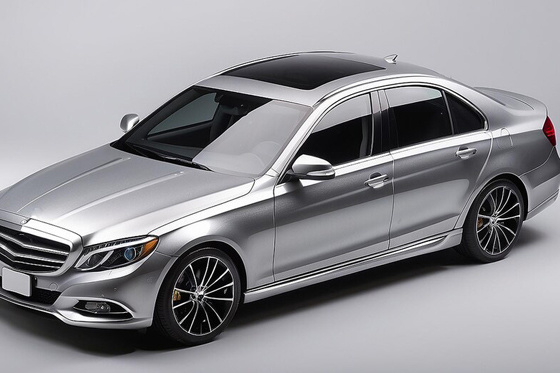
Role of Aluminium Paste in Automotive Coating Structures
Multi-Layer Automotive Coating Systems
Automotive coatings typically consist of:
-
Primer
-
Basecoat (metallic layer)
-
Clear coat
Aluminium paste is primarily incorporated into the basecoat, where flake orientation determines visual effects and light reflection behavior.
Flake Geometry and Optical Performance
Aluminium paste flakes are engineered with:
-
Controlled particle size distribution
-
Optimized flake thickness
-
Smooth, reflective surfaces
These characteristics influence:
-
Brightness and sparkle
-
Light/dark flop effects
-
Uniform metallic appearance across curved surfaces
Metallic Appearance Control
Flake Orientation and Light Reflection
Proper dispersion allows aluminium flakes to align parallel to the coating surface.
This alignment produces:
-
High reflectivity under direct light
-
Smooth metallic texture
-
Stable appearance from different viewing angles
Non-leafing aluminium paste is most commonly used in automotive basecoats due to its uniform distribution and compatibility with clear coats.
Color Consistency and Visual Depth
Aluminium paste contributes to:
-
Consistent color tone
-
Reduced mottling
-
Enhanced depth and dimension
These factors are critical for high-end automotive finishes and brand-specific color standards.
Durability Requirements in Automotive Environments
Mechanical Resistance
Automotive coatings must withstand:
-
Abrasion from road debris
-
Washing and cleaning cycles
-
Minor mechanical impacts
Uniform aluminium flake distribution improves:
-
Film cohesion
-
Resistance to surface wear
-
Long-term appearance stability
Environmental Exposure Resistance
Vehicles are exposed to:
-
UV radiation
-
Moisture and humidity
-
Temperature fluctuations
High-quality aluminium paste helps maintain:
-
Metallic brightness over time
-
Resistance to oxidation-related discoloration
-
Stable optical properties after weathering tests
Corrosion Resistance Contribution
While aluminium paste is not a standalone corrosion inhibitor, it supports:
-
Barrier effects in coating films
-
Reduced moisture permeability
-
Improved protection when combined with anti-corrosion primers
This contributes to extended coating service life, especially in aggressive environments.
Compatibility with Waterborne Automotive Coatings
With increasing adoption of waterborne automotive systems, aluminium paste technology has evolved to ensure:
-
Stable dispersion in aqueous formulations
-
Controlled flake orientation
-
Minimal gas formation
This allows metallic performance without compromising environmental compliance.
Conclusion
Aluminium paste plays a critical role in delivering both metallic appearance and durability in automotive coatings.
Through controlled flake engineering and formulation compatibility, aluminium paste supports modern automotive design while meeting strict performance requirements.